In the world of ecological gardening, there’s a persistent myth that if you don't rip out every single non-native plant tomorrow, you’ve failed the planet. As a pro-native designer, I’m here to tell you: Lower the shovel. While native plants are the hardworking backbone of your yard, your garden shouldn’t feel like a high-stakes science experiment. It should feel like home.
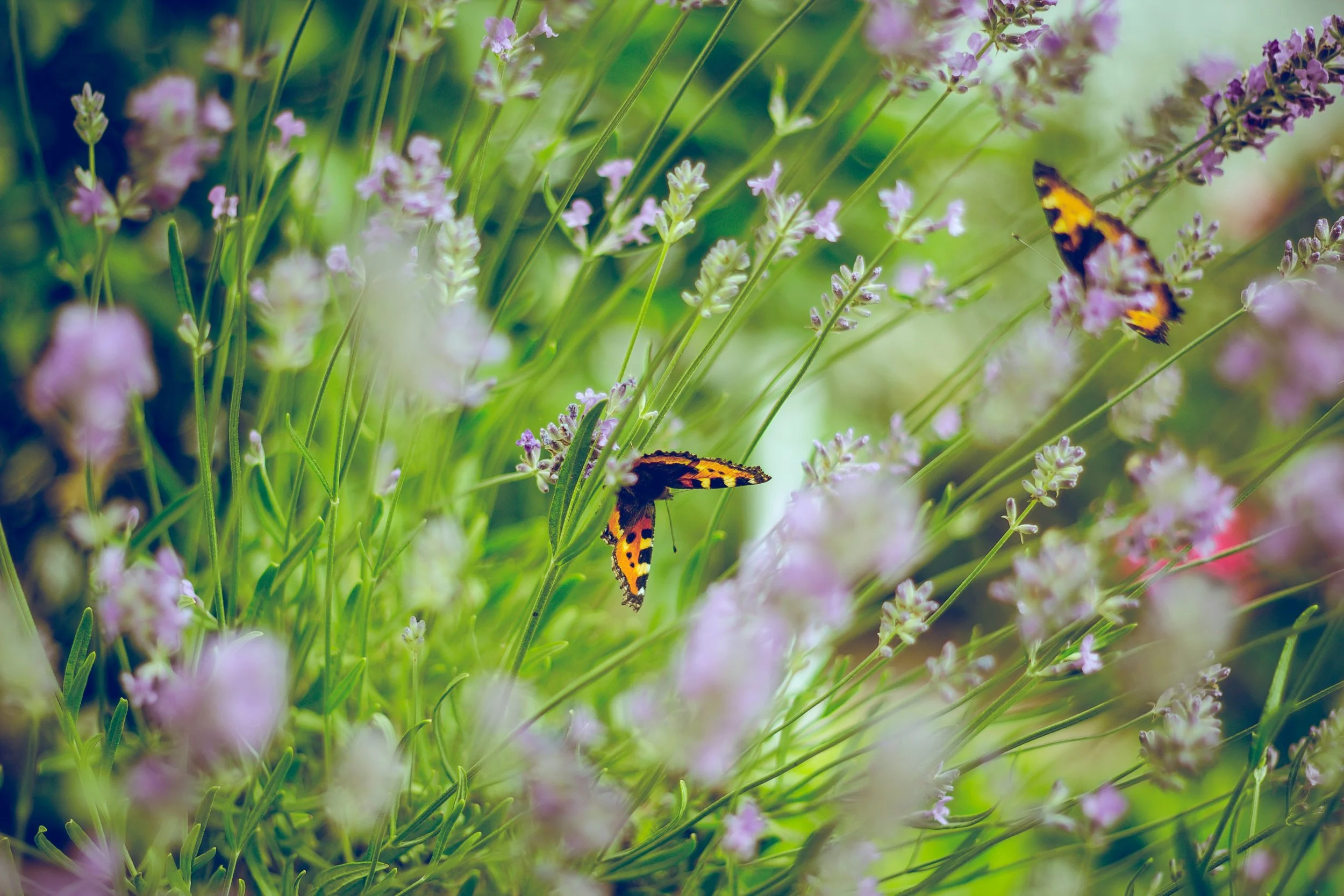
In the humid corridors of the Mid-Atlantic, the conversation around “native” gardening has shifted from a niche hobby to a central debate in urban planning. At its core, the definition of a native plant is often tied to the "pre-European contact" era, but modern gardeners struggle with the geography of this label. Is a plant native if it originates in the Chesapeake Bay watershed, or is the entire Mid-Atlantic fair game? While some purists argue for a tight ecoregion radius of 50 miles to ensure local pollinators are perfectly synced with bloom times, others point out that a species from five states away—like a Tennessee coneflower—might still offer more ecological value than a boxwood from Asia. However, the consensus among local ecologists is that true “pollinator-friendly” status is highest when plants have co-evolved with local insects; a plant from a distant climate may lack the specific chemical cues or nutritional profiles required by our local specialist bees.
This debate inevitably touches on the ethics of land ownership: do we owe the land to the wild, or is the garden a sanctuary for the human soul? There is some tension between the “virtuous” native enthusiast and the “traditional” gardener who prizes the aesthetic of a manicured English border. Prominent entomologist Douglas Tallamy has famously argued that we have a moral obligation to convert our yards into “Homegrown National Parks,” suggesting that because we have paved over so much habitat, our gardens must function as life-support systems. Conversely, world-renowned designer Piet Oudolf emphasizes a “naturalistic” approach where the structure and emotion of the garden are paramount. In his view, a mix of natives and well-behaved “exotics” can create a resilient, beautiful landscape. Most experts agree that no one is evil for wanting a gorgeous white peony in their garden, but they do suggest that shifting our definition of beauty to include the “productive” mess of a wildlife-friendly yard is a hallmark of modern environmental stewardship.
“Do we owe the land to the wild, or is the garden a sanctuary for the human soul?”
When it comes to the “perfect” ratio, the ‘70/30 rule’ has gained significant traction in the Mid-Atlantic. Tallamy’s research suggests that a landscape needs at least 70% native plant biomass to maintain a stable population of songbirds, as many songbirds rely on the insects that only native oaks, cherries, and willows can host, especially to feed their young. This leaves a 30% grace period for non-invasive favorites like lilacs or tulips. This middle ground avoids the stark purity that can make gardening feel like an all-or-nothing crusade. It acknowledges that while a 100% native garden is an ecological powerhouse, a blended garden can still be a massive improvement over the standard, sterile American lawn.
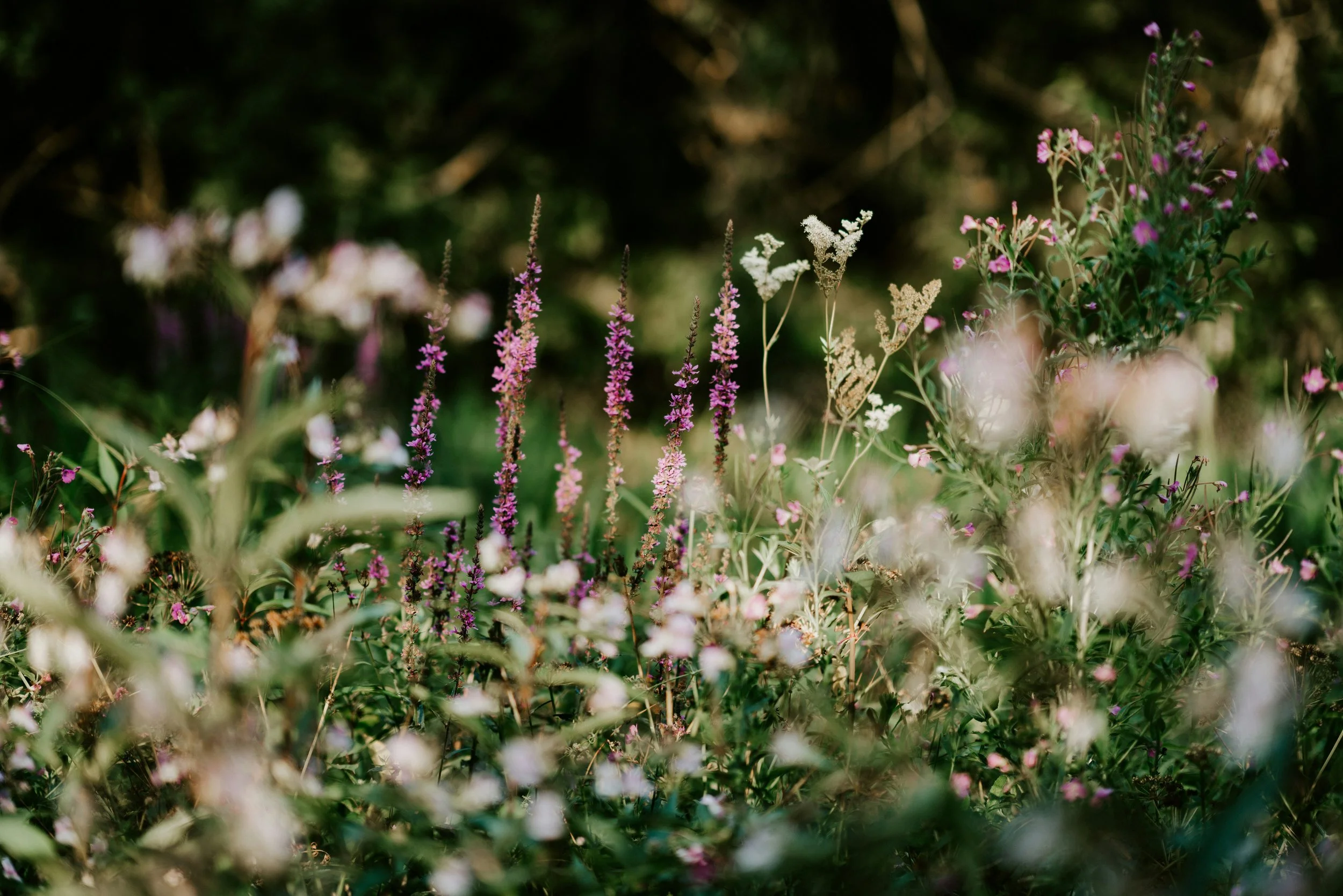
Beyond the birds and the bees, there is the question of resilience in a changing climate. The “native” label is becoming a moving target as the USDA Hardiness Zones shift northward. A plant native to South Carolina may soon find a more comfortable home in Northern Virginia than a plant that has been here for centuries but prefers cooler soil. This has led some designers to advocate for “assisted migration”—planting species from slightly further south that can handle the intensifying Mid-Atlantic heat. This pragmatism challenges the notion of geographic purity, suggesting that being a good steward means preparing the land for the future, not just recreating a snapshot of the past.
“This pragmatism challenges the notion of geographic purity, suggesting that being a good steward means preparing the land for the future, not just recreating a snapshot of the past.”
Interestingly, this conversation looks very different through a global lens. In Europe and Asia, the perspective on non-native plants is often more utilitarian, though the concept of invasive species remains a shared concern. Ironically, many plants we cherish as Mid-Atlantic natives are considered aggressive invaders abroad. The Black Locust, a common sight in Virginia woods, is a major invasive threat in Europe, where it outcompetes local forests. Similarly, the Virginia Creeper and certain North American Goldenrods are viewed with the same disdain in parts of Europe and East Asia that we reserve for English Ivy or Kudzu. This global exchange highlights a hard truth: a plant is only “good” or “bad” based on how it interacts with the specific web of life around it.
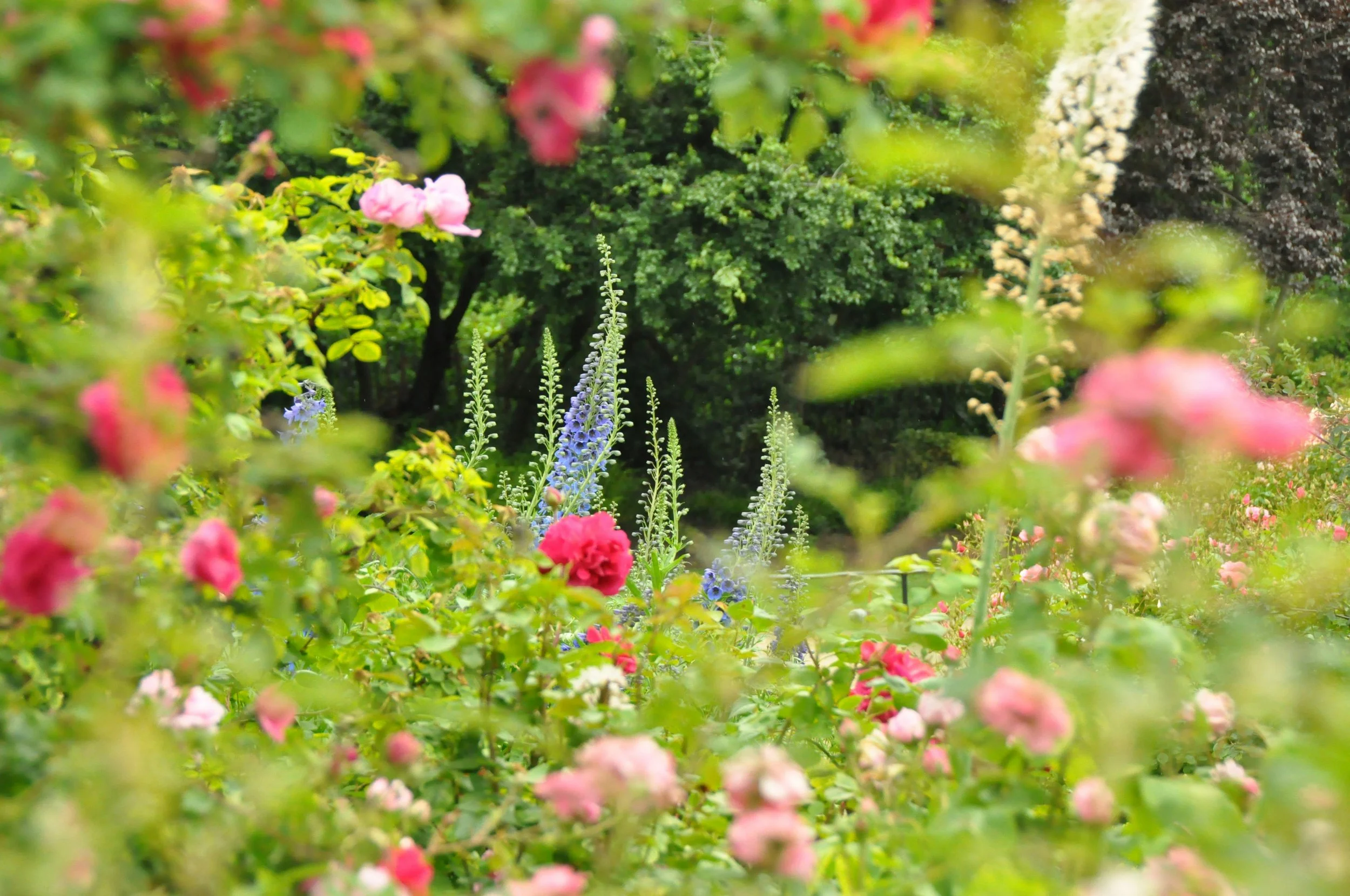
Furthermore, the social pressure within local homeowner associations (HOAs) adds a layer of complexity to the DC gardener's plight. In many suburban Maryland and Virginia neighborhoods, “wild” native gardens are occasionally met with citations or neighborly friction. This has sparked a movement of “cues to care”—designing native gardens with crisp edges, birdbaths, and signage to signal to the community that the “weedy” look is intentional and managed. This social navigation suggests that environmental virtue isn't just about what you plant, but how you bridge the gap between ecological function and community aesthetics.
For the average homeowner, the best approach is one of “informed intentionality.” You don't have to tear out every hydrangea to be a good steward. Instead, consider an incremental shift:
The “Soft Landing” Approach:
Replace a patch of struggling lawn with a "keystone" species like an Oak tree or River Birch that supports hundreds of insect species.The “Nativar” Compromise:
Use “nativars” (cultivated varieties of native plants) which offer the predictable size and color of traditional nursery stock while still providing significant ecological benefits.The Strategic Swap:
When an old shrub dies, replace it with a native alternative—swap a burning bush for a Virginia Sweetspire, or a Japanese Barberry for a Winterberry Holly.
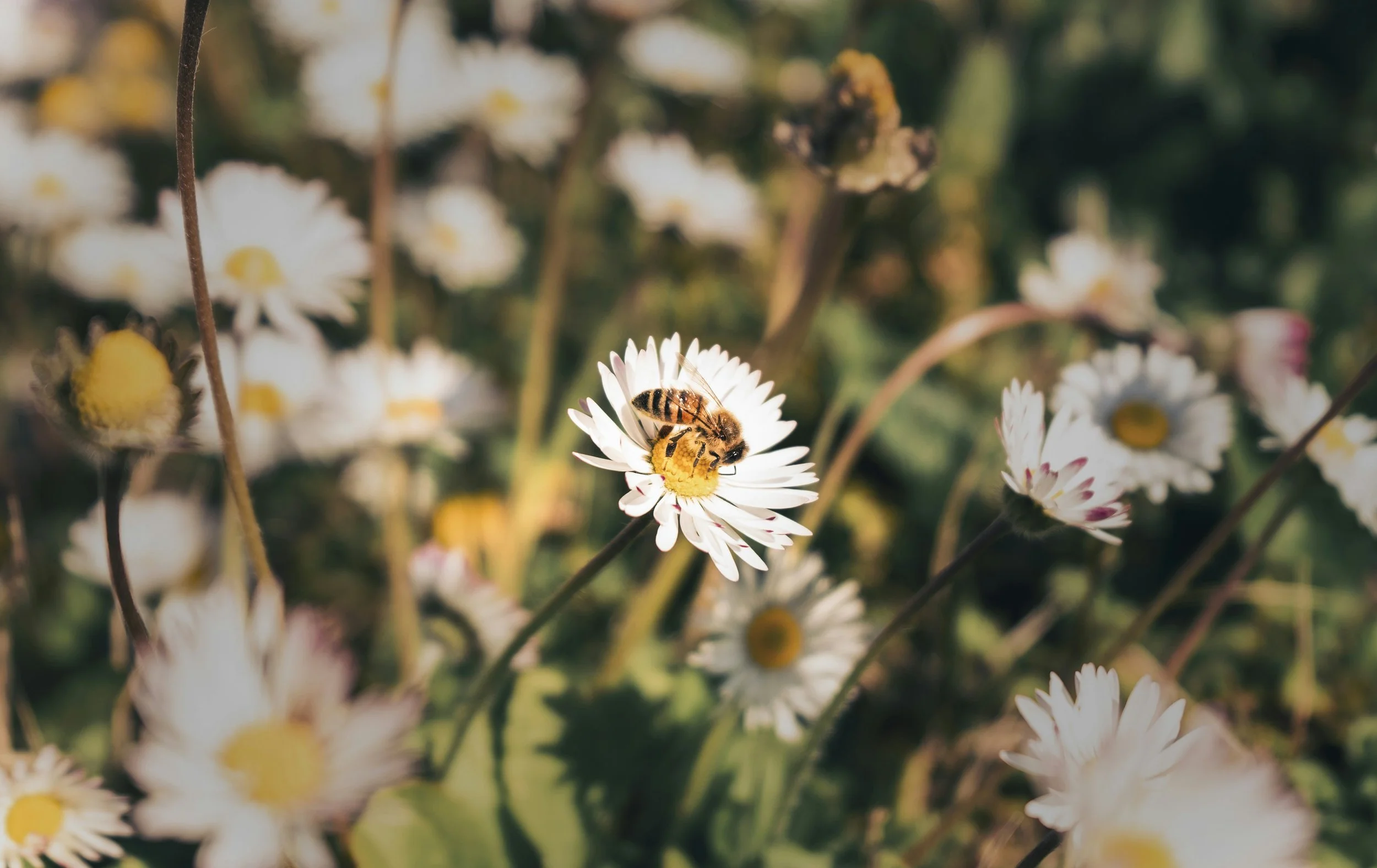
Ultimately, the goal isn't to achieve a perfect, pre-industrial museum piece in your backyard. It is to create a living landscape that serves as both a personal refuge and a vital link in the local ecosystem. By choosing plants that work for the local fauna while still bringing joy to the human eye, we can cultivate a unique sense of place that is both beautiful and biologically responsible.